🐾 Ultimate Guide to Wildlife Watching in the Smoky Mountains (Bears, Birds & Salamanders)
The Great Smoky Mountains National Park is more than just misty ridgelines and scenic drives — it’s one of the most biodiverse regions on Earth. With over 19,000 documented species of plants and animals (and scientists estimating up to 80,000 undiscovered), the Smokies are a living showcase of nature.
From the thrill of spotting a black bear crossing Cades Cove, to the sound of wild turkeys calling at dawn, to discovering a rare salamander under a mossy rock, wildlife watching here is a highlight of any trip.
This guide — written from a local’s perspective — gives you everything you need to make the most of your visit. We’ll cover where and when to spot wildlife, insider tips for safe viewing, seasonal calendars, and even gear recommendations.
🐻 Black Bears – The Smokies’ Most Iconic Resident
No animal is more synonymous with the Smokies than the black bear. With an estimated 1,900+ bears in the park, that’s about two per square mile — making this one of the best places in the eastern U.S. to see them in the wild.
Where to See Them:
- Cades Cove: The open valley meadows make bear spotting easier than anywhere else.
- Roaring Fork Motor Nature Trail: Narrow, winding, and full of surprises — many visitors spot bears climbing trees or foraging.
- Newfound Gap Road: Bears are often spotted crossing roads at dawn and dusk.
- Clingmans Dome Road (seasonal): In summer, bears forage in higher elevations.
Best Time to Spot Bears:
- Spring: After hibernation, bears emerge hungry and active.
- Summer: Bears are frequently seen with cubs, feeding on berries.
- Fall: Peak activity as bears fatten up before winter; most reliable viewing.
Insider Tips:
- Use binoculars or a zoom lens — never approach closer than 50 yards.
- Store food securely — fed bears often become aggressive and may be relocated or euthanized.
- If you encounter one, stay calm, talk firmly, make yourself look large, and slowly back away.
🦅 Bird Watching – Over 240 Species
Bird lovers flock to the Smokies for good reason: the park’s mix of elevations and ecosystems makes it a paradise. Whether you’re hoping to hear warblers in spring or watch raptors soar over autumn ridges, there’s always something to see.
Top Birding Spots:
- Clingmans Dome Road & Newfound Gap: High-elevation species like the winter wren and red-breasted nuthatch.
- Cades Cove: Wild turkeys are common, and hawks circle overhead.
- Cataloochee Valley: Known for owls, woodpeckers, and migrating songbirds.
- Abrams Creek & Cosby: Scarlet tanagers and warblers brighten the canopy in summer.
Seasonal Birding Highlights:
- Spring (March–May): Migration brings colorful warblers.
- Summer (June–August): Nesting season, with abundant activity in forests.
- Fall (Sept–Oct): Raptors migrate along ridge lines.
- Winter (Nov–Feb): Easier to spot owls, hawks, and turkeys in bare trees.
Pro Tip: Download the Merlin Bird ID app to identify species by photo or song.
🦎 Salamanders – The Salamander Capital of the World
The Smokies are nicknamed the “Salamander Capital of the World” with over 30 species — more than anywhere else on Earth. These small, secretive amphibians thrive in the park’s cool, moist environment.
Where to Find Them:
- Streams & Wet Logs: Look carefully under rocks (and replace them after checking).
- High Elevations: The red-cheeked salamander is found only in the Smokies.
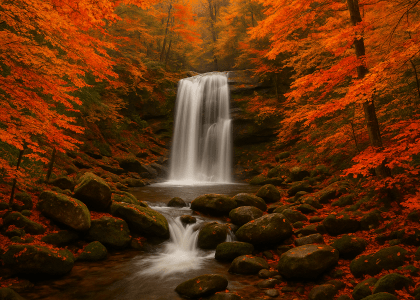
- Waterfall Trails: Places like Deep Creek or Ramsey Cascades are rich in salamander habitat.
Why They Matter: Salamanders are a key part of the ecosystem and a sign of healthy forests and streams.
🦌 Other Wildlife You Might Encounter
- White-tailed Deer: Common in Cades Cove, often at dawn/dusk.
- Elk: Reintroduced in Cataloochee Valley and now thriving — best seen in meadows at sunrise and sunset.
- Wild Turkeys: Often strutting in fields and along roadsides.
- Coyotes, Bobcats & Foxes: Rare, but possible sightings for lucky visitors.
- Butterflies & Insects: Monarch butterflies migrate in late summer; synchronous fireflies in June draw thousands of visitors.
📅 Seasonal Wildlife Calendar
- Spring: Bears emerge, wildflowers attract pollinators, warblers arrive.
- Summer: Salamanders thrive, butterflies abound, elk graze in valleys.
- Fall: Bears feed heavily, deer rut begins, raptors migrate.
- Winter: Wildlife is quieter but deer, turkeys, and raptors remain active.
📸 Wildlife Photography Tips
- Golden Hours: Shoot early morning or late afternoon for softer light and active animals.
- Zoom Lens: 200mm or higher lets you photograph safely.
- Stabilize: Use a tripod or monopod for sharper shots at dusk.
- Ethical Photography: Never bait or disturb animals for a photo.
🎒 Gear Checklist for Wildlife Watching
- Binoculars (8×42 or 10×42) for birding and bear watching.
- Zoom Lens if you’re a photographer.
- Field Guide or Apps (Merlin for birds, iNaturalist for salamanders).
- Layered Clothing: Mountain weather changes quickly.
- Snacks & Water: Especially for long waits in Cades Cove.
🛑 Safety & Respect for Wildlife
- Stay 50 yards away from bears/elk.
- Use designated pull-offs — never block traffic for a sighting.
- Pack out all trash and leave no trace.
- Remember: “A fed bear is a dead bear.”
🌲 Family-Friendly Wildlife Activities
- Junior Ranger Program: Kids can learn about animals and earn a badge.
- Cades Cove Hayrides (seasonal): Family-friendly way to see deer, turkeys, and maybe bears.
- Oconaluftee Visitor Center: Adjacent meadows are a safe place to watch elk with children.
🍂 End Your Day in Comfort
After a day of spotting bears, listening to owls, or searching for salamanders, nothing compares to unwinding in a cozy mountain cabin. Imagine sipping hot cider by the fireplace, soaking in a hot tub, or watching the stars come out over the ridges.
👉 Stay with Oak & Ember Group — where adventure meets comfort in the Smoky Mountains.
🙋 FAQs
Q: Where is the best place to see bears?
A: Cades Cove and Roaring Fork Motor Nature Trail are top spots.
Q: Are elk found in the Smoky Mountains?
A: Yes — elk herds thrive in Cataloochee Valley and Oconaluftee.
Q: Why are salamanders important here?
A: With 30+ species, they’re indicators of the park’s ecological health.
Q: Best season for bird watching?
A: Spring and fall migrations are the most rewarding.